

September 15, 2026
Company Formation in Dubai: Getting the Structure Right Before You Start
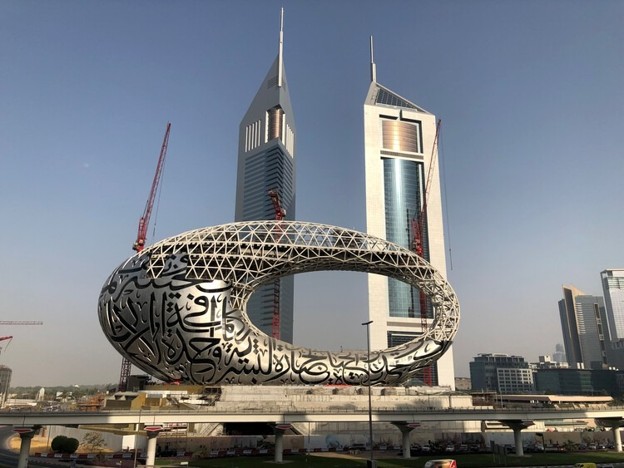
Working with a company lawyer at the beginning can help founders make informed decisions about ownership, licensing, governance and how the business is expected to grow.
Setting up a company is often described as an administrative process. Choose an activity, submit documents, obtain a licence and start trading. In practice, those steps come after decisions that can shape how the business operates for years.
Founders need to decide who will own the company, who will manage it, where it should be established, what activities it will carry out and how future investors or business partners may be introduced. When these questions are considered properly, incorporation becomes part of a wider commercial plan rather than simply a registration exercise.
Choose the Structure Around the Business
The starting point should be the business itself.
A consulting company, technology venture, trading business and regulated professional practice can each involve different licensing, premises and approval requirements. The correct route depends on what the company will actually do, not simply which licence appears easiest to obtain.
Founders should consider their customers, revenue model, staffing requirements, physical presence and future markets before selecting a jurisdiction. Choosing the fastest or least expensive structure without looking at how the company will operate can create restrictions that later require restructuring.
A well-planned company formation process therefore begins with the commercial model before moving to registration.
Mainland and Free Zone Options Serve Different Needs
Dubai offers several routes for establishing a business, including mainland and numerous free zone jurisdictions. Neither option is automatically better.
Foreign investors can generally own 100 per cent of companies carrying on most mainland business activities in the UAE. Activities considered to have a strategic impact may remain subject to specific ownership conditions, while regulated activities can require additional approvals from the relevant authority.
Free zones also permit foreign ownership and operate under their respective regulatory and licensing frameworks.
Dubai introduced additional flexibility in 2025 for qualifying free zone establishments that want to conduct activities outside their zones and within the Emirate. Under Executive Council Resolution No. 11 of 2025, the establishment must obtain the applicable licence or permit from the Department of Economy and Tourism, together with any other approvals or conditions required for the activity and relevant free zone.
This gives businesses more options, but it does not mean every free zone company can automatically operate anywhere in Dubai.
Ownership Does Not Decide Every Control Question
Share percentages show who owns the company, but they do not always explain how decisions will be made.
Two founders may each own half of a business while having different expectations about management, funding, salaries, profit distributions or major commercial decisions. These issues become particularly important when investors or external managers are introduced.
Management authority, voting thresholds, reserved matters, signing powers and transfer rights should therefore be considered during incorporation. The UAE Commercial Companies Law was amended in 2025 to provide greater flexibility in areas including ownership structures, share classes, shareholder arrangements and governance. A company law lawyer can help founders consider how those options should be reflected in the constitutional and contractual documents supporting the business.
Think About Future Investment Early
A structure that works for a founder-owned company may need to change when an outside investor arrives.
Investors may seek voting rights, access to financial information, protections against dilution or clearly defined transfer and exit rights. If these possibilities are considered early, the original structure can be designed with future investment in mind. The same applies where a company expects to create subsidiaries, enter a joint venture, hold intellectual property separately or expand into another country.
For businesses operating across several jurisdictions, coordinated legal advice may also be required so that the UAE entity fits properly within the wider group and does not create unnecessary conflicts with foreign ownership, tax or regulatory arrangements.
A Licence Does Not Replace Governance
A commercial licence authorises the company to conduct the activities for which it has been approved. It does not regulate every issue between the founders.
Where there are multiple shareholders, a shareholder agreement can address management, further funding, transfers, confidentiality, deadlock and exit. The company's memorandum or articles should also be considered alongside that agreement so the contractual arrangements remain consistent with the corporate structure.
This is why company formation should not be treated solely as obtaining a licence. The underlying documents should reflect how the owners expect the business to operate when important decisions need to be made.
Understand Who Is Providing the Advice
Company formation can involve licensing authorities, corporate service providers, accountants, tax advisers and lawyers. Each performs a different role.
A corporate service provider may assist with applications, documentation and administrative procedures. Where legal advice is required, founders should use an appropriately authorised law firm, legal consultancy or licensed professional in the relevant jurisdiction.
If a provider describes itself as a legal service company, founders should still confirm what services it is authorised to provide and whether the person giving legal advice is properly qualified for the jurisdiction concerned.
This distinction becomes particularly important where the business involves several shareholders, investment arrangements, intellectual property, regulated activities or cross-border ownership.
Build for the Business You Expect to Have
Company formation in Dubai should not be based only on what the business needs on its first day.
The right structure should support the company's current activities while leaving room for changes in ownership, management, investment and expansion. It should also make clear who has authority to make decisions and how future commercial relationships will be documented.
Before beginning the company formation process, founders should settle the activity, jurisdiction, ownership structure, management arrangements and expected direction of the business. A few decisions made carefully at the beginning can reduce the need for much more difficult changes later.
If you are establishing a business in Dubai or reviewing the structure of an existing company, contact Kaden Boriss for your requirements.
FAQs
1. Can a foreign investor own 100 per cent of a company in Dubai?
Yes, in many cases. Foreign investors can own 100 per cent of companies carrying on most mainland business activities as well as businesses established in many free zones. Activities considered to have a strategic impact may be subject to specific ownership conditions, while regulated activities may require additional approvals.
2. Should I choose a mainland or free zone company?
There is no single answer. The appropriate structure depends on the activity, customers, operating location, premises, regulatory requirements and future expansion plans.
3. What should be decided before starting the company formation process?
Founders should identify the intended activities, shareholders, ownership structure, management arrangements, jurisdiction and expected future requirements, including investment or international expansion.
4. Do I need a shareholder agreement when forming a company?
Not always. A separate shareholder agreement can be particularly useful where there are multiple shareholders. It may address funding, decision-making, share transfers, deadlock, confidentiality and exit arrangements alongside the company's constitutional documents.
5. Can a Dubai free zone company operate outside its free zone?
Yes, in qualifying circumstances. Under Dubai's current framework, a qualifying free zone establishment may conduct permitted activities outside its free zone after obtaining the applicable DET licence or permit and any other approvals required for the activity.
6. Why involve a lawyer before incorporating?
Early legal advice can help founders address ownership, governance, licensing, shareholder rights and future investment before the company is established. Changing those arrangements later can require more time, documentation and restructuring.