
April 15, 2026
Dubai Rental Disputes: Why Procedural Precision Can Make or Break Your Case
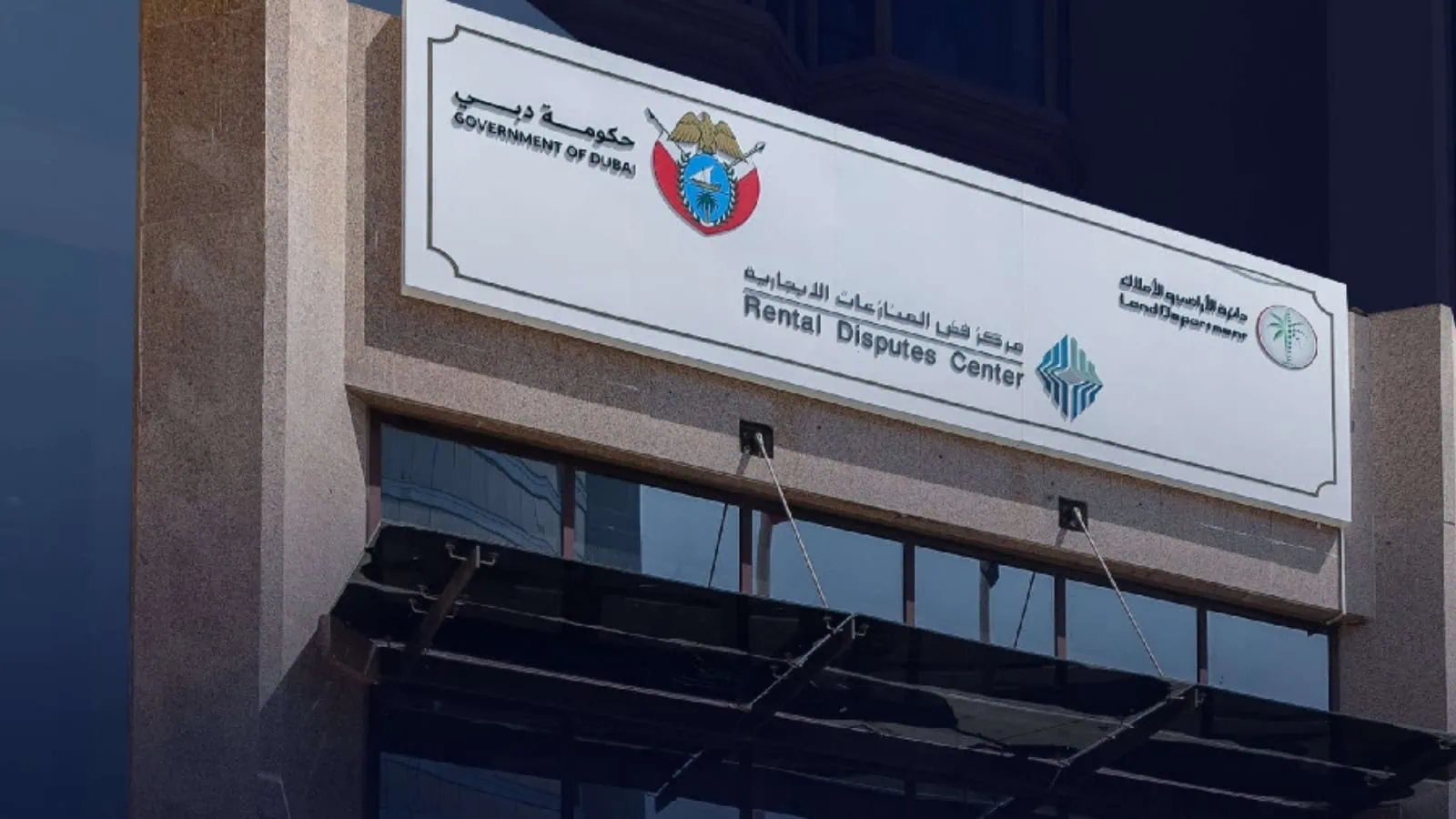
From notice to enforcement, procedural accuracy and documentation shape the outcome of tenancy claims.
Rental disputes in Dubai are often treated as routine disagreements between landlord and tenant. In reality, they are formal legal proceedings that require careful preparation, accurate documentation, and procedural compliance from the outset. Whether the issue concerns non-payment of rent, refusal to renew, unlawful eviction, rent increase, security deposit recovery, or breach of tenancy obligations, the strength of the case will often depend not only on the facts but also on how the claim is presented and pursued.
also on how the claim is presented and pursued. In Dubai, rental disputes are handled before the Rental Disputes Settlement Centre. While the process may appear straightforward at a high level, parties should be mindful that these matters are pursued within an Arabic-language legal jurisdiction. This makes accuracy in notices, translations, supporting documents, pleadings, and procedural steps especially important. For that reason, obtaining legal assistance at each stage can be critical to protecting one’s position and avoiding procedural issues that may affect the outcome of the case.
Identify the Dispute Clearly
The first step is to determine the precise nature of the dispute. Rental disputes may arise from payment default, attempted eviction, refusal to renew, unlawful rent increase, security deposit disputes, denial of access, subletting, or other breaches of the tenancy arrangement. The legal approach, supporting documents, and relief sought will differ depending on the issue in question. A clear assessment at the outset is essential. Misidentifying the issue can result in the wrong notice being served, the wrong claim being filed, or the wrong remedy being pursued.
Review the Tenancy Documents and Ejari Position
Before any formal action is taken, the tenancy documents should be reviewed carefully. This includes the tenancy contract, Ejari registration, property details, payment history, and any related correspondence. In many cases, procedural difficulties arise because the documentary record is incomplete, inconsistent, or unsupported. Ensuring that the tenancy arrangement is properly documented is a fundamental step before initiating proceedings.
Consider Whether a Prior Notice is Required
In many rental disputes, the validity of the case will depend on whether a prior legal notice was required and, if so, whether it was correctly issued and served. This is particularly important in matters involving payment default, eviction, termination, or other tenancy breaches. A procedurally defective notice can significantly weaken a claim. Careful legal review at this stage is advisable to ensure that the notice is accurate in form, aligned with the relief sought, and supported by proper proof of service.
Prepare the Evidence Properly
A well-supported rental dispute should be backed by a clear evidentiary record. Depending on the case, this may include the tenancy contract, Ejari certificate, identification documents, proof of payment, cheques, notices, delivery records, utility documents, correspondence, photographs, inspection reports, and other relevant materials. The quality and organisation of the evidence can materially affect the strength of the case. Legal assistance at this stage can help ensure that the claim is supported by the right documents and that the record is presented in a coherent and legally effective manner.
Frame the Claim and Relief Accurately
It is not enough to show that a dispute exists. The filing must also clearly state the legal basis of the claim and the specific relief being sought. A common issue in rental disputes is that parties identify the grievance correctly but fail to align it with the appropriate legal remedy. A properly framed claim is therefore central to an effective filing.
File the Matter Through the Appropriate Channel
Once the claim has been assessed and the documents prepared, the dispute may be filed through the appropriate Rental Disputes Settlement Centre channel. While the filing process may in some cases be initiated digitally, practical issues can still arise in relation to document format, technical requirements, translations, and supporting authority documents. A properly prepared filing helps minimise delays and reduces the risk of procedural complications.
Be Prepared for Mediation, Adjudication and Enforcement
Following filing, the dispute may proceed through mediation or conciliation before moving to adjudication if no settlement is reached. If a decision is obtained but not complied with voluntarily, enforcement steps may then become necessary. Each of these stages requires preparation and strategic judgment. Legal representation can be especially valuable in ensuring that the party’s position remains protected throughout the process and that any outcome is capable of being effectively enforced.
Why Legal Guidance is Particularly Important
Rental disputes in Dubai are not merely administrative matters. They are formal legal proceedings conducted within an Arabic-language jurisdiction, where procedural accuracy and documentary precision are essential. Errors in notices, translations, supporting evidence, or filing steps can create avoidable delays and may adversely affect the claim
For that reason, seeking legal guidance at each stage is strongly recommended. Early legal advice can assist with assessing the merits of the dispute, ensuring that the correct procedure is followed, preparing accurate filings, and presenting the claim in a legally sustainable and commercially effective manner.
Conclusion
Filing a rental dispute in Dubai requires more than a factual complaint. It requires a clear legal assessment, proper documentation, careful compliance with procedural requirements, and an accurately framed claim. From the initial review of the tenancy documents through to filing, hearings, and enforcement, each step should be handled with precision.
Given the procedural and language-specific considerations involved, legal assistance can be critical in reducing risk, strengthening the case, and improving the prospects of an efficient resolution.
Published 17 April 2026