
July 22, 2026
UAE Maritime Insolvency Laws Explained: Creditors’ Rights, Vessel Arrests & Ship Mortgages
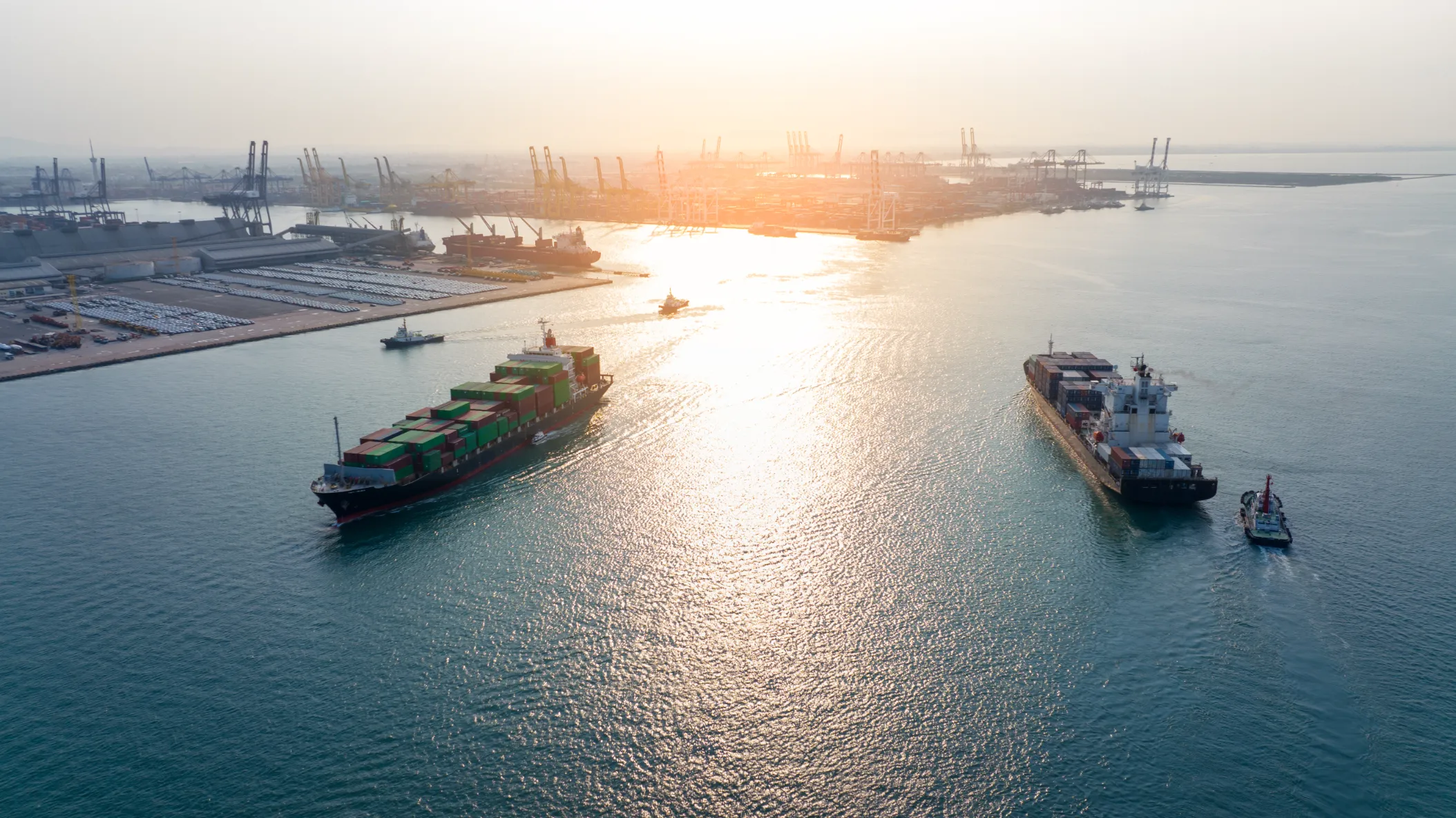
How UAE law protects creditors through vessel arrests, maritime liens, and restructuring tools when shipowners and charterers face insolvency.
The maritime industry is built on complex financial structures involving ship financing, charterparty agreements, cargo operations, and marine insurance. When global trade is disrupted by economic downturns, freight rate volatility, geopolitical tensions, or rising operational costs, both shipowners and charterers may face financial distress.
In such situations, maritime insolvency becomes a critical legal issue. Unlike ordinary commercial defaults, maritime insolvency triggers powerful remedies such as vessel arrests, enforcement of ship mortgages, competing creditor claims, and cross-border legal proceedings involving multiple jurisdictions.
The UAE, as a leading global shipping hub, has developed a robust legal framework that balances creditor protection with business continuity and restructuring mechanisms.
What is Maritime Insolvency in the UAE?
Although there is no standalone regime specifically called “maritime insolvency law”, the UAE addresses these issues through a combination of:
Maritime law provisions
UAE Bankruptcy Law
Civil enforcement procedures
Maritime insolvency arises when a shipowner, operator, or charterer is unable to meet financial obligations or becomes subject to formal insolvency or restructuring proceedings.
Unlike typical corporate insolvency, maritime insolvency involves mobile high-value assets (vessels) that operate across international waters, making enforcement legally complex.
Vessel Arrest: A Powerful Creditor Remedy
One of the strongest protections available to creditors under UAE law is vessel arrest.
A vessel can be arrested to secure maritime claims, including:
Unpaid crew wages
Bunker supply claims
Cargo damage disputes
Ship mortgage defaults
Port and salvage charges
Importantly, insolvency alone is not enough. Creditors must establish a valid maritime claim under UAE law.
Once granted, vessel arrest provides immediate leverage because the ship cannot sail until:
Security is posted, or
The dispute is resolved
This makes vessel arrest a key enforcement tool for creditors in maritime insolvency cases.
Ship Mortgages and Secured Lending Protection
The shipping industry depends heavily on debt financing, usually backed by registered ship mortgages.
A properly registered ship mortgage gives lenders a strong security interest over the vessel.
In case of default, mortgage holders may:
Accelerate repayment obligations
Initiate judicial enforcement proceedings
Seek vessel arrest and sale
Recover proceeds from judicial sale
However, enforcement is not absolute. It may be affected by:
Maritime liens
Priority of claims
Statutory protections
Maritime Liens and Priority of Claims
A key feature of maritime insolvency is the priority ranking of creditor claims.
Claims are generally classified as:
Maritime liens
Statutory maritime claims
Contractual claims
Certain claims receive higher priority, including:
Crew wage claims
Salvage claims
Collision liabilities
Port charges
Maritime liens are especially powerful as they bind the vessel as a matter of law and may outrank other secured interests.
Understanding claim priority is essential for determining recovery outcomes in insolvency proceedings.
Crew Wage Claims: Highest Legal Protection
Crew wage claims are given special protection under maritime law due to the humanitarian nature of seafarer employment.
In insolvency situations, crew members may face:
Unpaid wages
Repatriation issues
Contract termination concerns
UAE maritime law prioritises these claims, often placing them high in the creditor hierarchy during enforcement and distribution of proceeds.
Charterer Insolvency and its Commercial Impact
Insolvency risks are not limited to shipowners. Charterers may also default due to market downturns or financial instability.
Common consequences include:
Non-payment of hire
Charterparty termination disputes
Cargo delivery complications
Off-hire claims
Damage compensation disputes
Whether a charterparty can be terminated depends on the contractual insolvency clauses agreed between parties.
Restructuring and Business Rescue in the UAE
Not all maritime insolvencies lead to liquidation.
The UAE legal system supports restructuring and business rescue mechanisms, allowing distressed companies to:
Renegotiate debts
Continue vessel operations
Protect employment
Avoid forced liquidation
In many cases, restructuring may preserve more value than immediate asset enforcement, especially in weak shipping markets.
Cross-Border Complexity in Maritime Insolvency
Maritime insolvency is inherently international.
A vessel may be:
Registered in one country
Financed in another
Operating under foreign charterparty law
Arrested in the UAE
This creates complex issues involving:
Jurisdiction conflicts
Foreign insolvency recognition>
Asset recovery challenges
Parallel proceedings
The presence of multiple jurisdictions such as mainland UAE courts, DIFC, and ADGM further adds to legal complexity.
Conclusion
Maritime insolvency in the UAE involves a sophisticated interplay of vessel arrests, ship mortgages, maritime liens, creditor priorities, and restructuring laws.
For creditors, lenders, and maritime stakeholders, early legal action is crucial to protecting financial interests and preserving asset value.
As global shipping markets continue to evolve, UAE maritime insolvency law remains a vital framework for balancing creditor protection with commercial stability.
FAQs
Q1: What is maritime insolvency under UAE law?
A:It refers to situations where a shipowner or charterer cannot meet financial obligations, leading to enforcement or restructuring under UAE maritime and bankruptcy laws.
Q2: Can a vessel be arrested if a company becomes insolvent?
A:No. A vessel can only be arrested if there is a valid maritime claim, not merely due to insolvency.
Q3: What is a ship mortgage in UAE maritime law?
A: A ship mortgage is a registered security interest that allows lenders to enforce rights over a vessel in case of default.
Q4: Which claims have priority in maritime insolvency?
A: Crew wages, salvage claims, and certain port charges often receive higher priority over other creditors.
Q5: Do UAE courts recognise foreign insolvency proceedings?
A: Yes, but recognition depends on jurisdiction and applicable enforcement rules across UAE legal systems.
Q6: Can charterparty contracts be terminated due to insolvency?
A:Yes, but only if the contract includes valid insolvency or default clauses permitting termination.